Category: Career Development

AI output validation helps professionals catch flaws in polished but unreviewed AI-generated reports
Career Development

AI Output Validation: Reviewing Unchecked Work

A colleague’s unreviewed AI-generated work doesn’t have to become your unpaid overtime — or your liability. This playbook shows how to triage handoffs by risk, run a 5-step validation workflow, align with senders without friction, and turn validation from invisible cleanup into a recognized professional competency.

Overreliance on AI: How It Leads to a Loss of Critical Thinking
Career Development

Overreliance on AI: How It Leads to a Loss of Critical Thinking

As artificial intelligence tools become seamlessly integrated into our daily workflows, a hidden danger emerges: overreliance on AI. This article explores how outsourcing mental tasks to machines leads to “cognitive laziness” and a measurable decline in critical thinking.

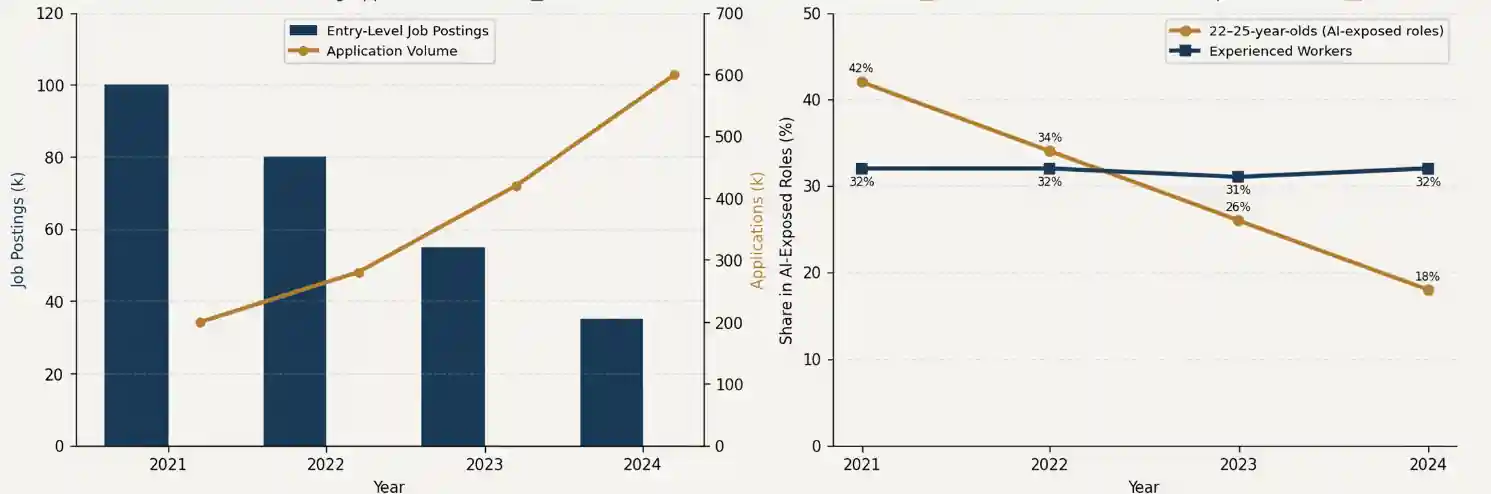
A funnel diagram. "Time Saved by AI"
Career Development

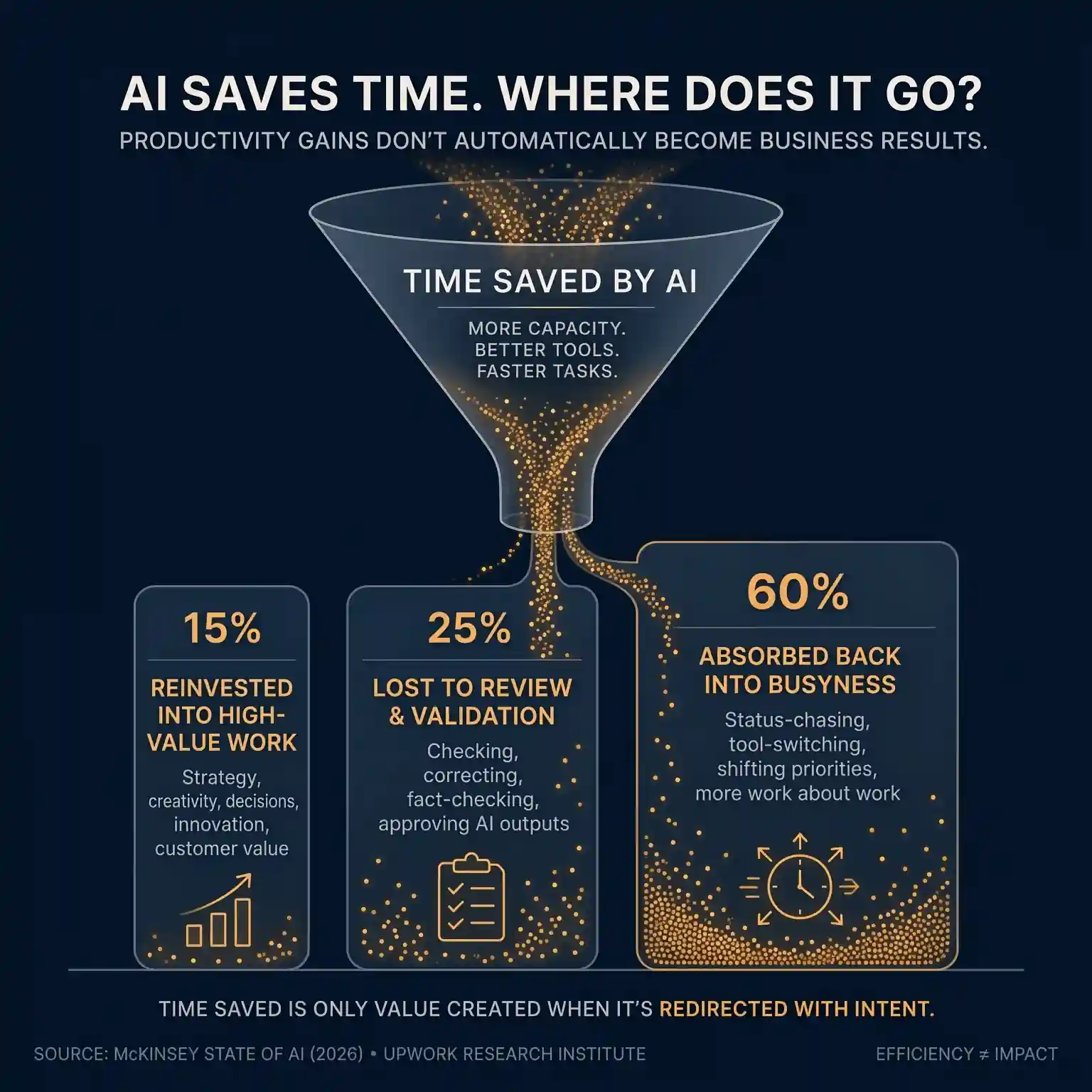
AI High Performers: How to Turn AI Time Savings Into Money

While 80% of workers feel more productive using AI, only 6% are translating those saved hours into tangible financial gains. This article explores the critical gap between merely saving time and actively generating revenue.

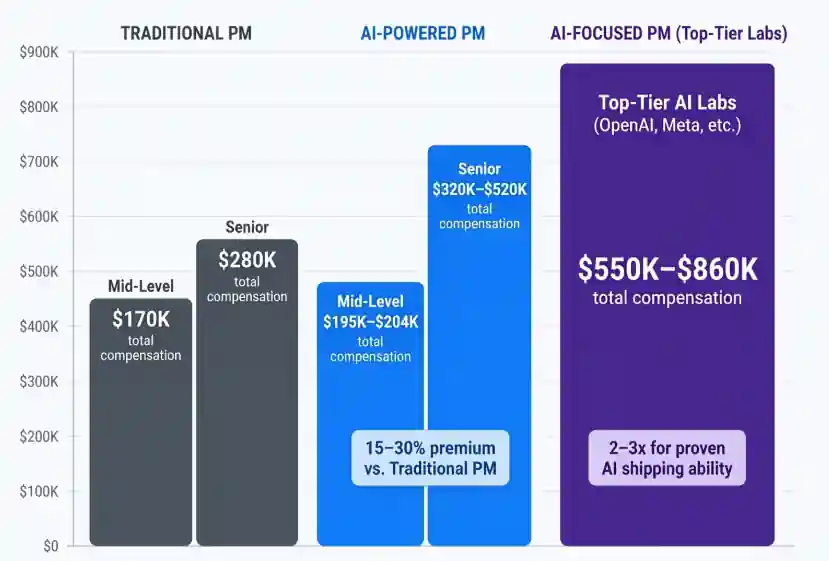
AI product manager salary comparison chart
Career Development

AI Product Manager: How the Evolving Role Determines Your Salary

The product management landscape is fundamentally splitting into traditional PMs and AI product managers. This article explores the growing six-figure salary gap between these roles, explains why basic AI tool usage isn’t enough, and provides actionable steps for traditional product managers to transition into high-paying, AI-native product leadership roles.

How Technical Does an AI Product Manager Really Need to Be?
Career Development

AI Product Manager: How Technical Do You Really Need to Be?

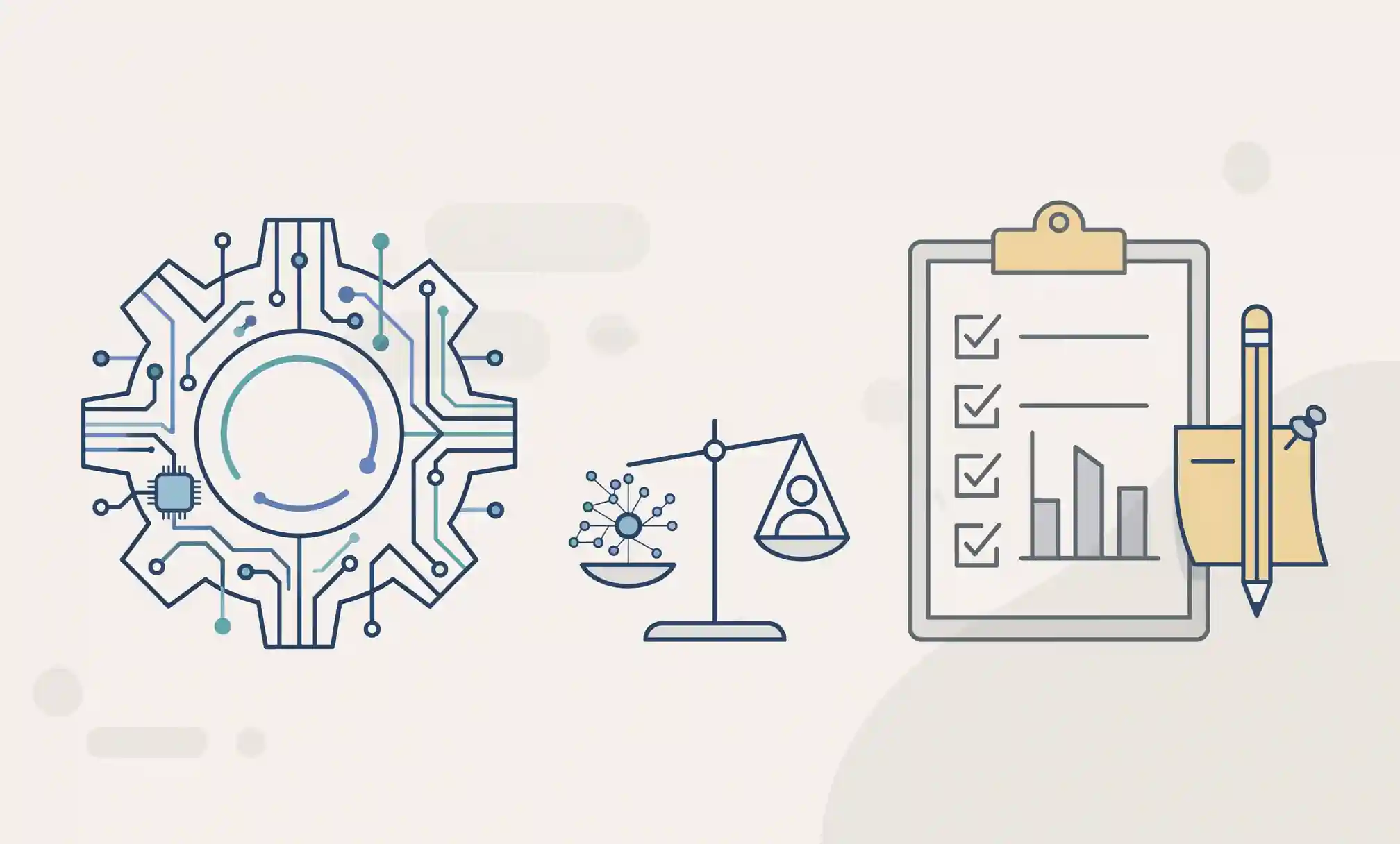
Many aspiring AI Product Managers eliminate themselves from job opportunities because they don’t know how to code. However, the industry doesn’t need PMs to build neural networks; it needs them to translate business goals into AI strategy. This article breaks down the technical requirements for AI PMs into a clear “Three-Layer Framework.” You will discover why conceptual AI fluency and product judgment are your biggest competitive advantages, why deep engineering knowledge is optional, and how to leverage your existing product skills to successfully transition into the rapidly growing AI market.

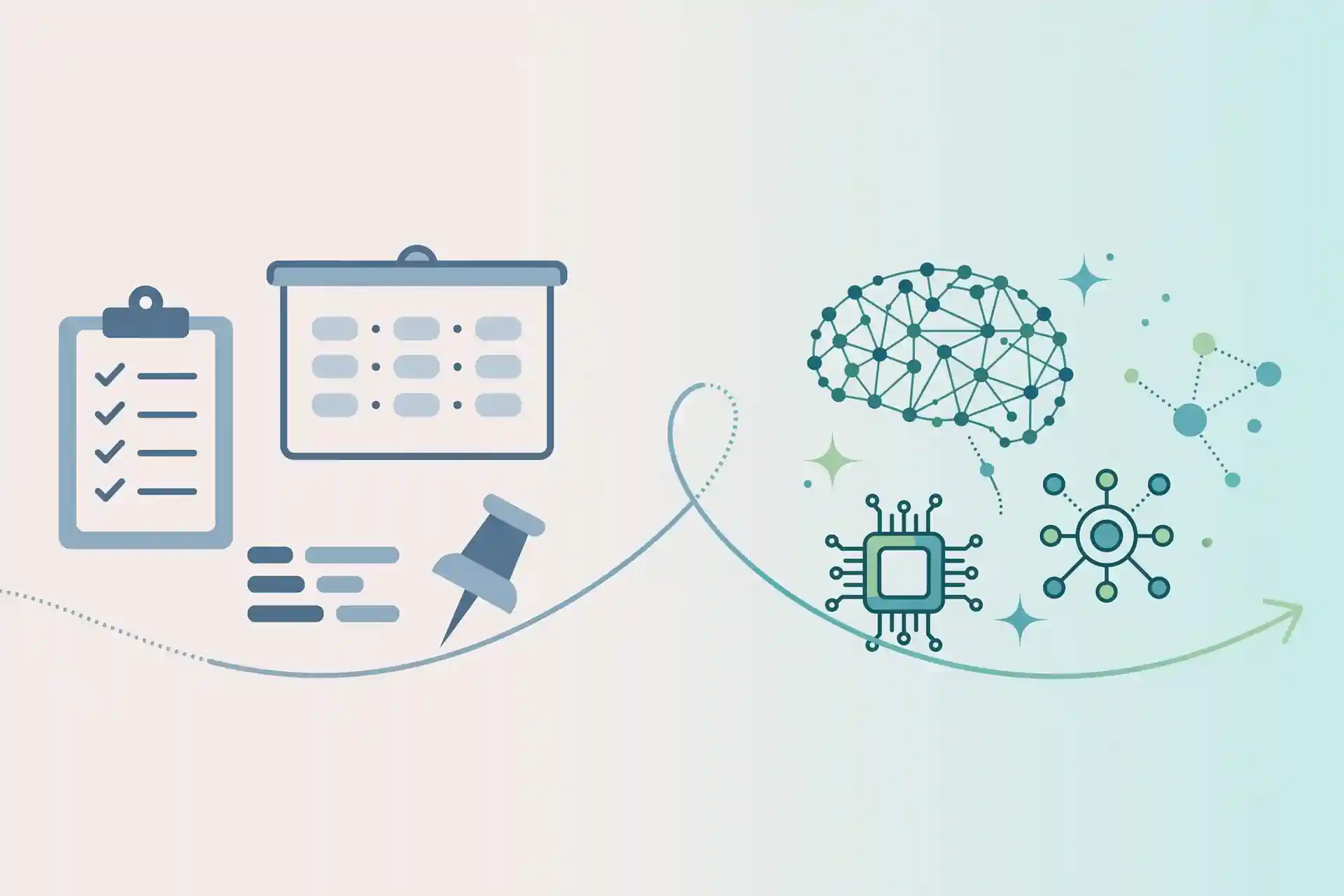
Career path transition from traditional PM to AI product manager
Career Development

AI PM Transition: A Guide for Traditional Product Managers

The rapid rise of artificial intelligence is fundamentally shifting the Product Management landscape, but traditional PMs don’t need to become software engineers to stay relevant. Instead, transitioning to an AI Product Manager requires a cognitive shift from deterministic to probabilistic thinking. This article explores the growing market demand for AI skills, highlights three critical blind spots PMs must avoid (determinism bias, metric myopia, and ethics), and provides a practical three-stage roadmap.