Day: September 3, 2026

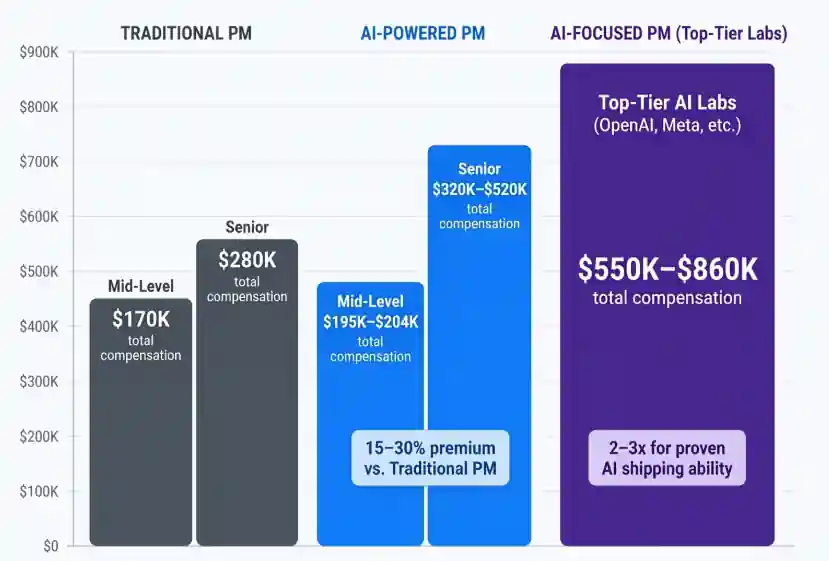
AI product manager salary comparison chart
Career Development

AI Product Manager: How the Evolving Role Determines Your Salary

The product management landscape is fundamentally splitting into traditional PMs and AI product managers. This article explores the growing six-figure salary gap between these roles, explains why basic AI tool usage isn’t enough, and provides actionable steps for traditional product managers to transition into high-paying, AI-native product leadership roles.

AI productivity paradox: Why AI's Saved Hours Keep Disappearing
AI & Business Strategy

AI Productivity Paradox: Why AI’s Saved Hours Keep Disappearing

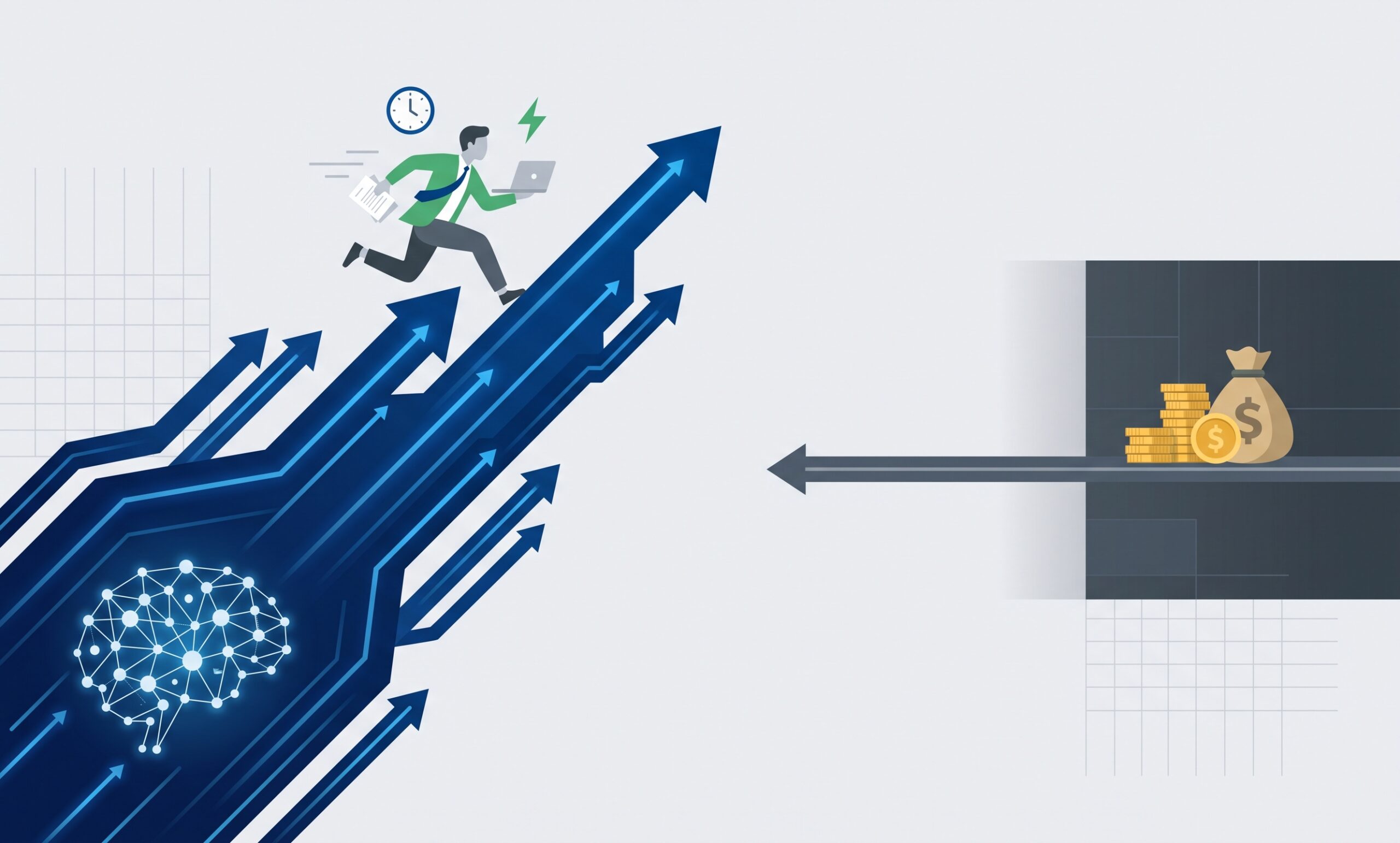
While companies celebrate massive time savings from AI tools, those hours often vanish into “botsitting,” expanding workloads (the Jevons Trap), and the theater of busyness. This article explores the AI productivity paradox and offers a practical framework for leaders to shift from merely tracking “time saved” to deliberately allocating freed capacity for measurable strategic value.

How do high-performing firms address accumulated workflow debt
Enterprise Transformation

Workflow Debt: How High-Performing Firms Address It

Many organizations struggle to scale AI because they layer new technology over broken processes. Discover what workflow debt is, why it costs more than technical debt, and how high-performing firms fundamentally redesign their operations to eliminate bottlenecks and unlock true enterprise efficiency.

How Technical Does an AI Product Manager Really Need to Be?
Career Development

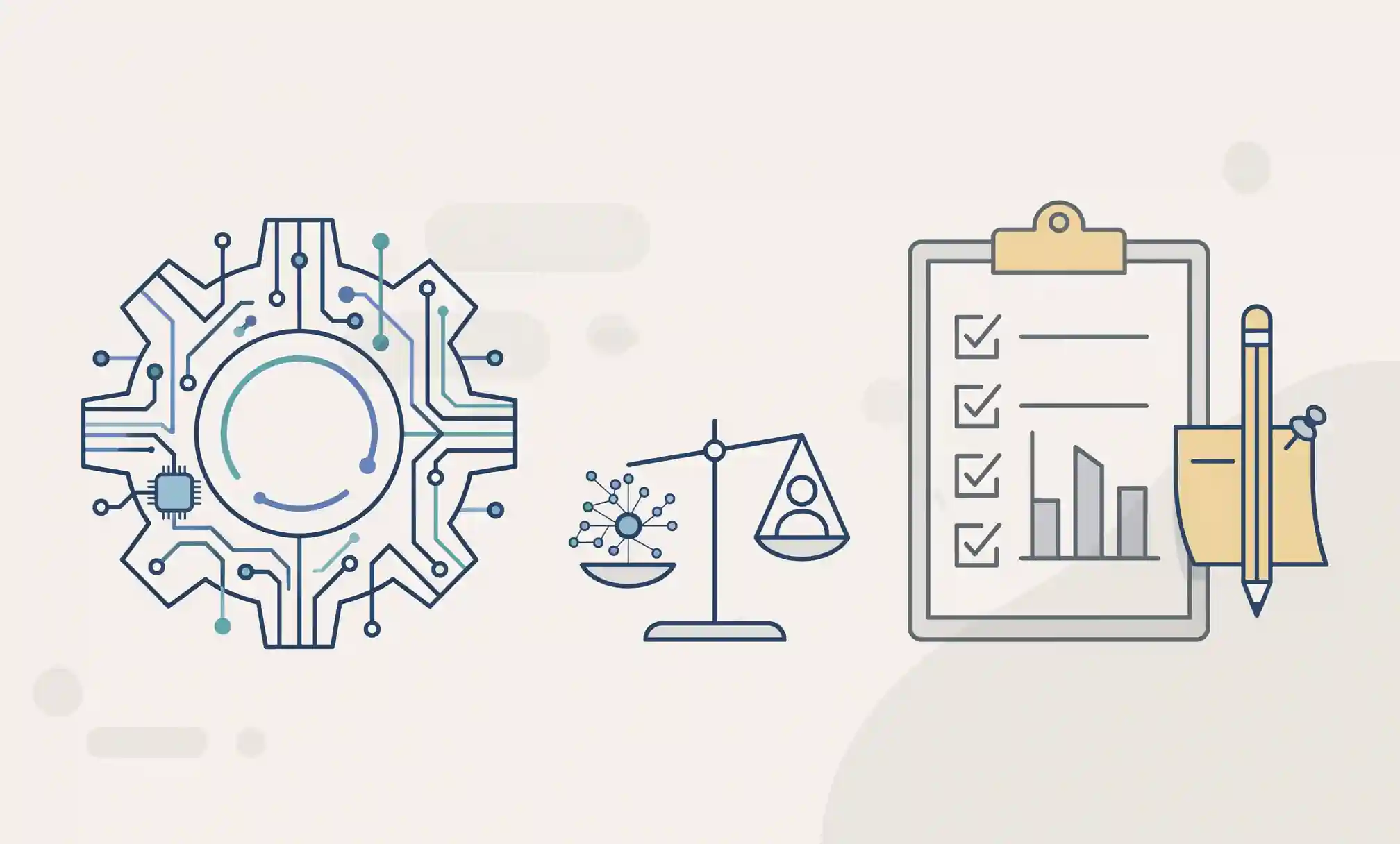
AI Product Manager: How Technical Do You Really Need to Be?

Many aspiring AI Product Managers eliminate themselves from job opportunities because they don’t know how to code. However, the industry doesn’t need PMs to build neural networks; it needs them to translate business goals into AI strategy. This article breaks down the technical requirements for AI PMs into a clear “Three-Layer Framework.” You will discover why conceptual AI fluency and product judgment are your biggest competitive advantages, why deep engineering knowledge is optional, and how to leverage your existing product skills to successfully transition into the rapidly growing AI market.